- Describe and explain the formation and properties of esters in synthetic perfumes
- Explain how esters can be used as solvents (or why water won't remove nail polish)
- Explain the need to test cosmetics, and opinions surrounding testing on animals
Friday, 18 January 2013
C1g Smells
You need to be able to

Thursday, 17 January 2013
C1h Paints and Pigments
You need to be able to:
- Describe the ingredients in and explain the structure of paints (colloids)
- Explain how oil pains and how emulsion paints dry
- Describe and explain the uses of thermochromatic and phosphorescent pigments
- Paints and pigments notes from Bitesize
- Paints video...
- And another...
- Watching paint dry animation and notes
Wednesday, 16 January 2013
C2a The Structure of the Earth
You need to be able to:
- Describe the properties of the layers of the Earth and the problems in studying it
- Describe the development and the theory of plate tectonics
- Describe the action of volcanoes
- Lots of visualisations - scroll down to "chapter 8 plate tectonics"
- Wegener's Theory - notes from BBC Bitesize
- Interactive map of active volcanoes
Information and videos on volcano types
- Composite vs shield volcano video
- Lots of notes...


Tuesday, 15 January 2013
C2b Construction Materials
You need to be able to:
- Explain the formation, properties and uses of marble, granite and limestone
- Construct a balanced symbol equation for the decomposition of limestone
- Compare and contrast the manufacture and properties of cement, concrete and reinforced concrete
Lots of notes and web links on rock types and rock cycle
Thermal decomposition of limestone notes from the BBC
- Notes from Doc Brown
- Class clips on concrete from the BBC

Monday, 14 January 2013
C2c Metals and Alloys
You need to be able to:
- Explain the extraction and purification of copper using balanced symbol equations and half equations
- Evaluate the use of metals and/or alloys for a particular use (e.g. amalgam, brass, solder, bronze, steel)
- Explain how smart alloys can be used
- Notes on electrolysis from BBC Bitesize
Another chemistry blog with notes on electrolysis
- Practical purification of Cu...

- Alloys notes from BBC Bitesize


Sunday, 13 January 2013
C2d Making Cars
You need to be able to:
- Explain rusting using balanced symbol equations, and descriptions of ideal conditions
- Evaluate the use of aluminium, steel and other materials in the manufacture of cars
- Explain the advantages and disadvantages of recycling materials used to make cars
- Iron vs Aluminium notes from BBC Bitesize
Saturday, 12 January 2013
C2e Manufacturing Chemicals: Making Ammonia
You need to be able to:
- Describe how ammonia is made in the Haber Process utilising balanced symbol equations
- Explain the conditions used in the Haber process in relation to the reversible reaction and to economic considerations
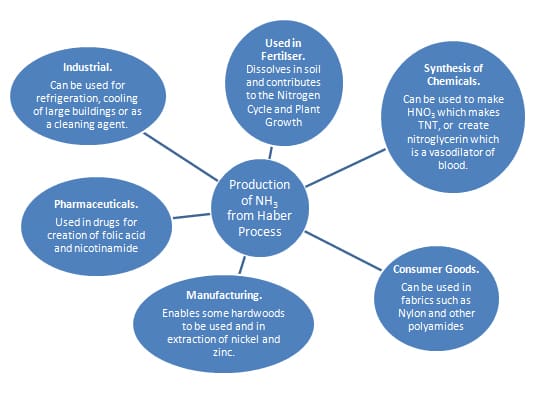
- Explain why producing ammonia is important
- Make sure you can interpret graphs....
- Why ammonia is important....


Subscribe to:
Posts (Atom)